
Kit Carson County Criminal Court Records
A criminal court record begins when charges are filed with the court and the clerk opens or maintains the case file. In Kit Carson County, that file may include a complaint or information, advisement entries, bond settings, pleas, motions, protection orders, disposition and sentence orders, probation terms, restitution, fines, and court costs. The full case file is broader than the charge list, because it tracks how the case moves through court and how each charge ends.
Colorado's court structure determines where a criminal record is kept. District Court handles felony criminal cases and related high-level proceedings. County Court handles misdemeanors, traffic offenses, traffic infractions, and preliminary or limited matters. In Kit Carson County, District Court and County Court records route through the Combined Court office in Burlington. Municipal ordinance cases may require a separate check with the issuing municipality.
Search Kit Carson County Criminal Court Records
The official free tool for hearing dates is the Colorado Judicial Branch docket search. It can help find criminal court dates by date, county, courthouse, case number, party name, attorney, judicial officer, or courtroom. For case summaries, the Judicial Branch public access guide points to linked vendors such as CoCourts, which can show a paid register of actions for many public District Court and County Court criminal cases.
- Check the official docket search for a hearing date or upcoming criminal event.
- Use Kit Carson County, Kit Carson County Combined Court, or the 13th Judicial District as the location filter.
- Search CoCourts by defendant name or case number if a register of actions is needed.
- Read the charge, plea, disposition, sentence date, judge, and scheduled-event fields carefully.
- Use the Judicial Branch record request form for a complaint, information, sentence order, or certified copy.
The CBI Internet Criminal History Check is a different system. It is a Colorado criminal history tool based on fingerprint-supported arrest records. It does not replace court records and does not provide warrants, sealed records, juvenile records, out-of-state records, or federal records.
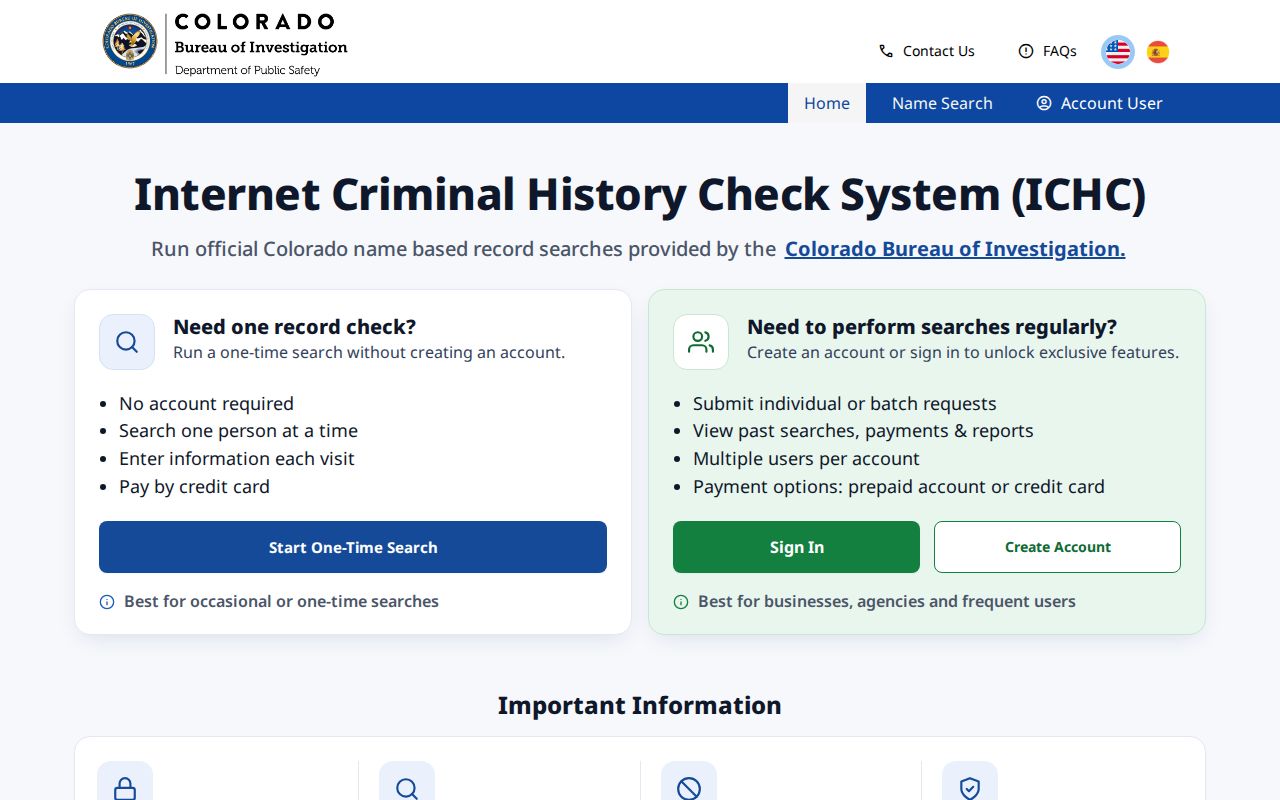
Use CBI for Colorado criminal history checks, but use the court clerk or court search channels for the actual Kit Carson County criminal case file.
Kit Carson County Criminal Case Stages
Criminal court records are easiest to read as a sequence. A charge is filed, the defendant is advised, hearings are set, motions may be filed, a plea or trial occurs, and the court enters a disposition and sentence if the case reaches that point. Kit Carson County jail advisement and bond hearings for people in custody are held daily at 2:15 p.m. by Webex, while ordinary appearances are in person unless permission for a virtual appearance is granted.
Case flow: Charges Filed › Arraignment › Pretrial / Motions › Plea or Trial › Disposition › Sentencing
| Stage | What Happens |
|---|---|
| Charges filed | The prosecutor files the complaint or information, and the court record begins tracking charge counts. |
| Advisement or arraignment | The court addresses rights, charges, bond, counsel, and plea scheduling. |
| Pretrial and motions | The record may show motions, continuances, discovery settings, protection orders, and plea negotiations. |
| Plea or trial | The docket records a plea, verdict, dismissal, acquittal, or other outcome. |
| Disposition and sentencing | The case record reflects sentence date, probation, jail, costs, restitution, and other orders when applicable. |
What Kit Carson County Criminal Records Show
CoCourts lists common register-of-actions fields that are useful for criminal case review, but its summaries are not the official record and do not include downloadable documents. The court file can show more detail when the record is public and available for copy. A user should compare charge-level outcomes with the final disposition because a criminal case can include several counts with different results.
| Field | What It Shows |
|---|---|
| Case Number | The court file number used for docket search, payment lookup, and document requests. |
| Defendant | The person charged in the criminal case, subject to redaction in restricted matters. |
| Charges | Counts, offense names, statute or ordinance references, severity, and charge status. |
| Plea | The defendant's formal answer, such as guilty, not guilty, or another accepted plea entry. |
| Disposition | The outcome of a charge or case, including conviction, dismissal, acquittal, or deferred result. |
| Sentence | Jail, probation, costs, restitution, fines, conditions, and sentence date when ordered. |
| Events | Advisement, arraignment, pretrial conference, motions, hearing dates, trial settings, and continuances. |
Charges vs Convictions
A charge is an accusation filed in court. A conviction is an outcome after a guilty plea, verdict, or other legal finding. Kit Carson County criminal court records can show charges that were amended, reduced, dismissed, or resolved differently across counts. For a closer look at the charge list after arrest, use the Kit Carson County arrest records and court charges page.
| Charge | Conviction | |
|---|---|---|
| Meaning | An alleged offense filed by the prosecution. | A final or accepted finding of guilt on a count. |
| Record timing | Appears early in the court case. | Appears after plea, verdict, or disposition. |
| Can change | May be amended, reduced, added, or dismissed. | Can be affected by appeal, sealing, or later court order. |
| Best document | Complaint, information, or register of actions. | Disposition, sentence order, or judgment record. |
Read Dispositions and Sentences
Disposition means the outcome of a charge or case. A criminal court record may show guilty, not guilty, dismissed, deferred, acquitted, or other outcome language. Sentence fields may show a sentence date, probation, jail, fines, court costs, restitution, or conditions. Because one case can contain several counts, each charge should be read separately before drawing a conclusion about the final case result.
For official proof, request the disposition or sentence order from the Clerk of Court. Online summaries can help locate the case, but certified copies come through the Judicial Branch record/document request form or the local court office. The request form can also be used for criminal documents and certified or exemplified copies when needed.
Sealed and Expunged Criminal Records
Colorado sealing rules can apply to some arrest, non-conviction, and conviction records depending on eligibility, notice, waiting period, victim-rights status, later convictions, and the type of disposition. Juvenile expungement is a separate concept tied to juvenile records. Sealing does not always erase a record for courts, prosecutors, law enforcement, or authorized government users.
| Sealed | Expunged | |
|---|---|---|
| Public visibility | Hidden from ordinary public access after the seal is implemented. | Removed or treated under a statutory expungement process, often in juvenile contexts. |
| Government access | Courts, prosecutors, law enforcement, and authorized agencies may still have access. | Access depends on the statute and court order. |
| Where filed | Usually in the court where the criminal records are located. | Usually through the court process set by the relevant juvenile or criminal statute. |
| Public search result | CoCourts excludes sealed and suppressed records. | Public systems should not display expunged material when the order applies. |
Access to Kit Carson County Criminal Records
Public criminal court records are governed by Colorado court access rules, Chief Justice Directive 05-01, and the Colorado Criminal Justice Records Act. The Colorado Judicial Branch public access guide explains the difference between court records, administrative judicial records, online vendor access, and official court records. The guide also cautions that vendor search results are not the official court record.
Key Rules:
Chief Justice Directive 05-01 governs public access to Colorado court records and related limits.
Colorado criminal justice records provisions allow custodians to deny inspection when law, rule, order, or public-interest limits apply.
The CBI criminal history FAQ is useful for understanding what a statewide criminal history check excludes, including warrant information, juvenile records, sealed records, and non-Colorado data.
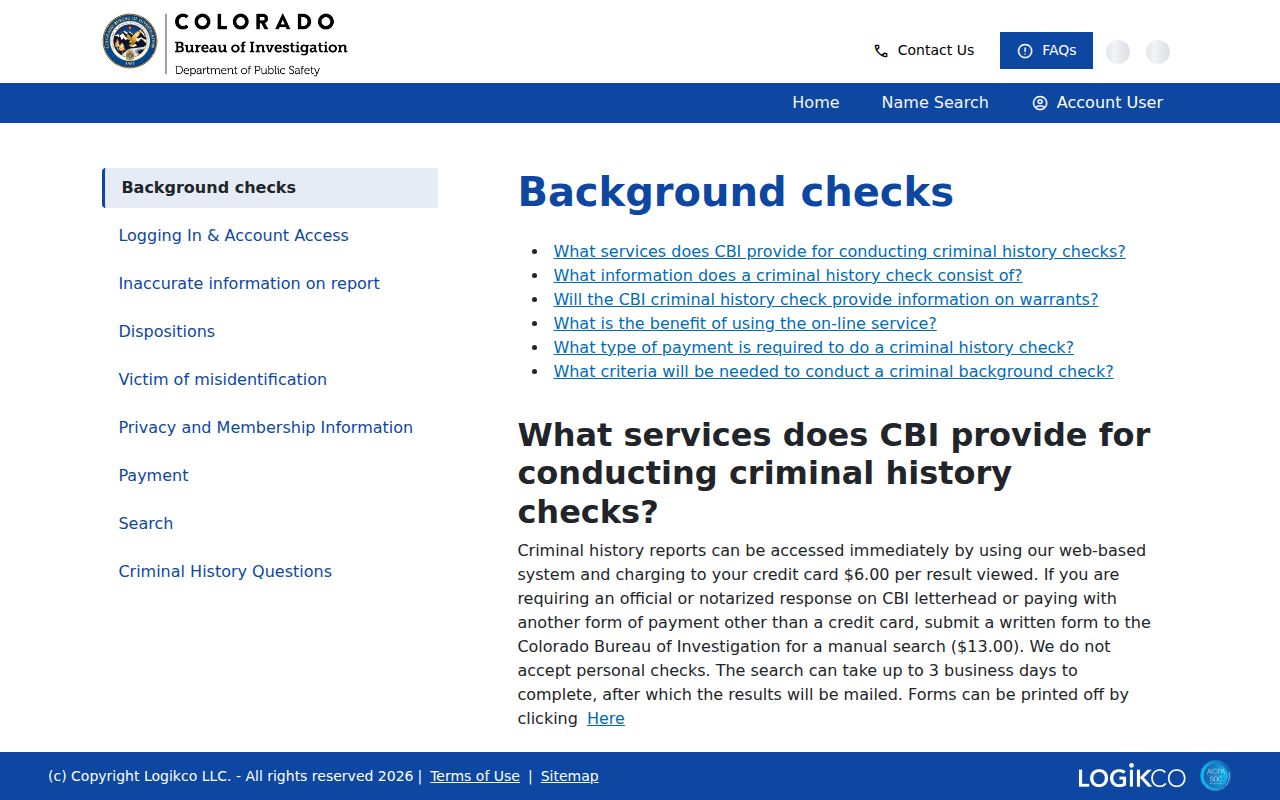
Those limits are the reason a court case search, a CBI check, and a sheriff record request may produce different kinds of criminal information.
DA and Defense Contacts
The 13th Judicial District Attorney prosecutes state criminal cases for Kit Carson County, including felonies, misdemeanors, and some traffic offenses. The DA's office states that its district includes Kit Carson, Logan, Morgan, Phillips, Washington, Sedgwick, and Yuma counties. For Kit Carson County residents, the official DA contact page points to the Sterling Office.
The 13th Judicial District Attorney about page explains the district's jurisdiction and prosecution role. The Colorado State Public Defender Sterling Office serves Kit Carson County for eligible adult and juvenile defendants.
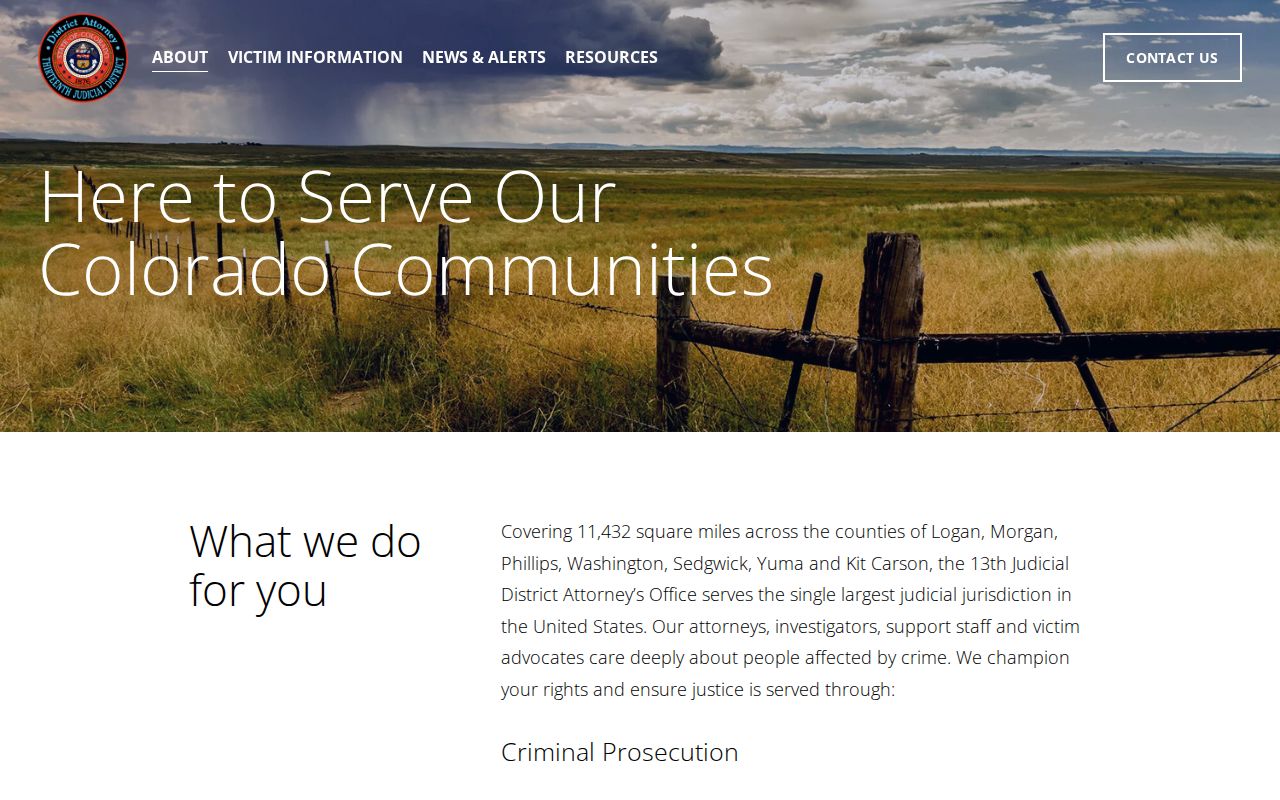
Prosecution and defense contacts can explain pending-case procedure, but court dates and official criminal records still come from the court system.
Restricted Kit Carson County Criminal Records
Juvenile cases, sealed cases, suppressed filings, protected-party information, some probation or investigation materials, and records limited by court order may be withheld from public search. CBI does not release juvenile arrest information to the public. CoCourts excludes sealed, suppressed, and confidential material, omits Social Security numbers and street addresses, and limits details for some financial fields.
When a criminal record is not visible, the reason may be legal restriction rather than absence. Use the case number, party information, date of birth if requested, and case type when submitting a record request. The court may require identification, redaction review, or a court order before releasing protected information.